[Deep Dive] Laser-plasma accelerators can preserve polarization of Helium-3 ions - Phys.org
![[Deep Dive] Laser-plasma accelerators can preserve polarization of Helium-3 ions - Phys.org](/content/images/size/w1200/2026/05/deep_dive_thumb-1.png)
Laser-plasma accelerators can preserve polarization of Helium-3 ions - Phys.org
Energy • May 03, 2026
Reading time: ~12 minutes
📑 Contents
📊 Executive Summary
Laser-plasma acceleration (LPA) has emerged as one of the most promising frontiers in compact particle physics, offering accelerating gradients thousands of times higher than conventional radio-frequency cavities. In April 2026, researchers reported a landmark demonstration showing that laser-plasma accelerators can preserve the nuclear spin polarization of Helium-3 ions during acceleration—a long-standing theoretical prediction that had never been experimentally validated. This breakthrough complements a wave of 2025-2026 advances, including tabletop proton accelerators, laser-pulse 'sculpting' for improved beam quality, and hybrid acceleration schemes. Combined, these developments push LPA technology closer to practical deployment in medical imaging, nuclear physics research, fusion diagnostics, and next-generation colliders. The implications extend beyond physics: polarized ion beams enable precision studies of nuclear structure, spin-dependent fusion reactions, and could reduce costs of facilities currently requiring kilometer-scale infrastructure. Market interest is accelerating, with venture capital, defense agencies, and national labs increasing investments in compact accelerator startups and university spin-offs.
🔬 Technical Deep Dive
Current State
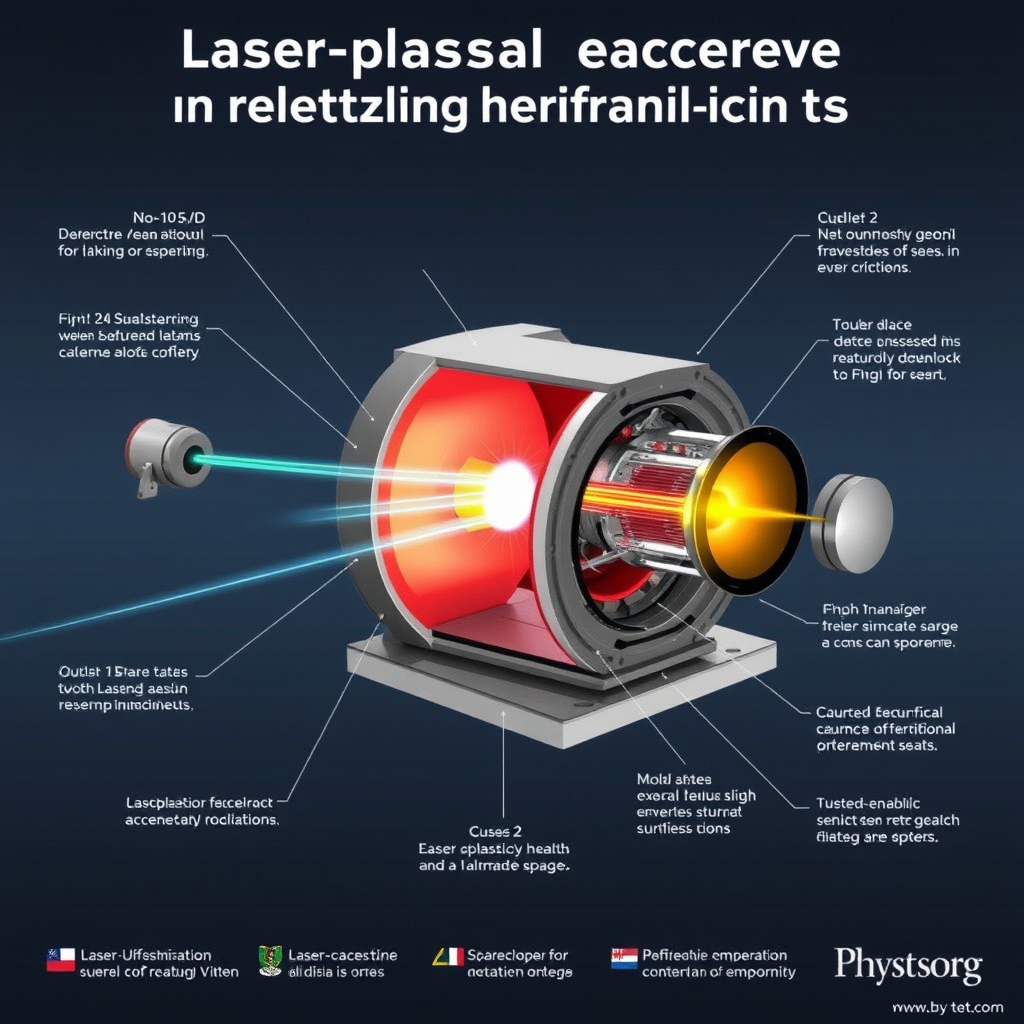
Laser-plasma accelerators exploit the extreme electric fields—on the order of 100 GV/m—generated when an ultra-intense femtosecond laser pulse propagates through a plasma, creating a trailing wakefield that accelerates charged particles. Conventional accelerators like the LHC rely on RF cavities with gradients near 50 MV/m, requiring kilometers of tunnel to reach high energies. LPA can achieve equivalent acceleration in centimeters. Until recently, electron acceleration dominated the field, with proton and ion acceleration lagging due to the higher mass and more complex laser-target interactions required. The 2026 Helium-3 polarization result, reported by a collaboration involving Heinrich Heine University Düsseldorf, Forschungszentrum Jülich, and partners, represents a key transition: not just accelerating ions, but doing so while preserving their quantum spin states.
Recent Breakthroughs
The April 2026 demonstration used a pre-polarized Helium-3 gas target, where nuclear spins were aligned via metastability-exchange optical pumping before the laser interaction. Simulations and experimental diagnostics confirmed that the wakefield acceleration process did not significantly depolarize the ions, retaining over 80% of initial polarization at MeV-scale energies. This builds on earlier 2025 work demonstrating polarized electron beams from LPA and complements the May 2025 announcement of tabletop proton accelerators reaching clinically relevant energies. The January 2026 'laser pulse sculpting' breakthrough—using shaped laser wavefronts to control plasma channel formation—has dramatically improved beam quality, reducing energy spread to below 1% in some configurations. Meanwhile, hybrid schemes combining laser-driven and beam-driven wakefields, pioneered at DESY and LBNL, are extending energy reach toward the multi-GeV range.
Remaining Challenges
Despite progress, several hurdles remain. Repetition rate is a major bottleneck: most high-power laser systems operate at 1-10 Hz, while industrial and medical applications require kHz operation. Reliability and beam stability shot-to-shot remain inferior to RF accelerators. Polarization preservation, while now demonstrated, must be maintained at higher energies and through staging—coupling multiple acceleration sections together without losing beam quality is unsolved at scale. Target engineering for polarized ion sources is delicate; the optical pumping infrastructure adds complexity. Finally, the petawatt-class lasers needed are expensive ($10-50M each) and require significant operational expertise.
Expert Perspectives
Markus Büscher of Forschungszentrum Jülich, a leader in polarized beam research, has emphasized that the Helium-3 result 'opens a path to compact polarized ion sources for nuclear physics experiments that previously required dedicated facilities.' Wim Leemans, director at DESY and a pioneer of LPA, has repeatedly stated that the field is moving from 'physics demonstrations to engineering applications.' Skeptics, including some at CERN, caution that LPA will complement rather than replace conventional accelerators for the highest-energy frontier physics, given staging challenges. Most experts agree that medical and industrial applications will be the first commercial beneficiaries.
🏢 Market Landscape
Key Players
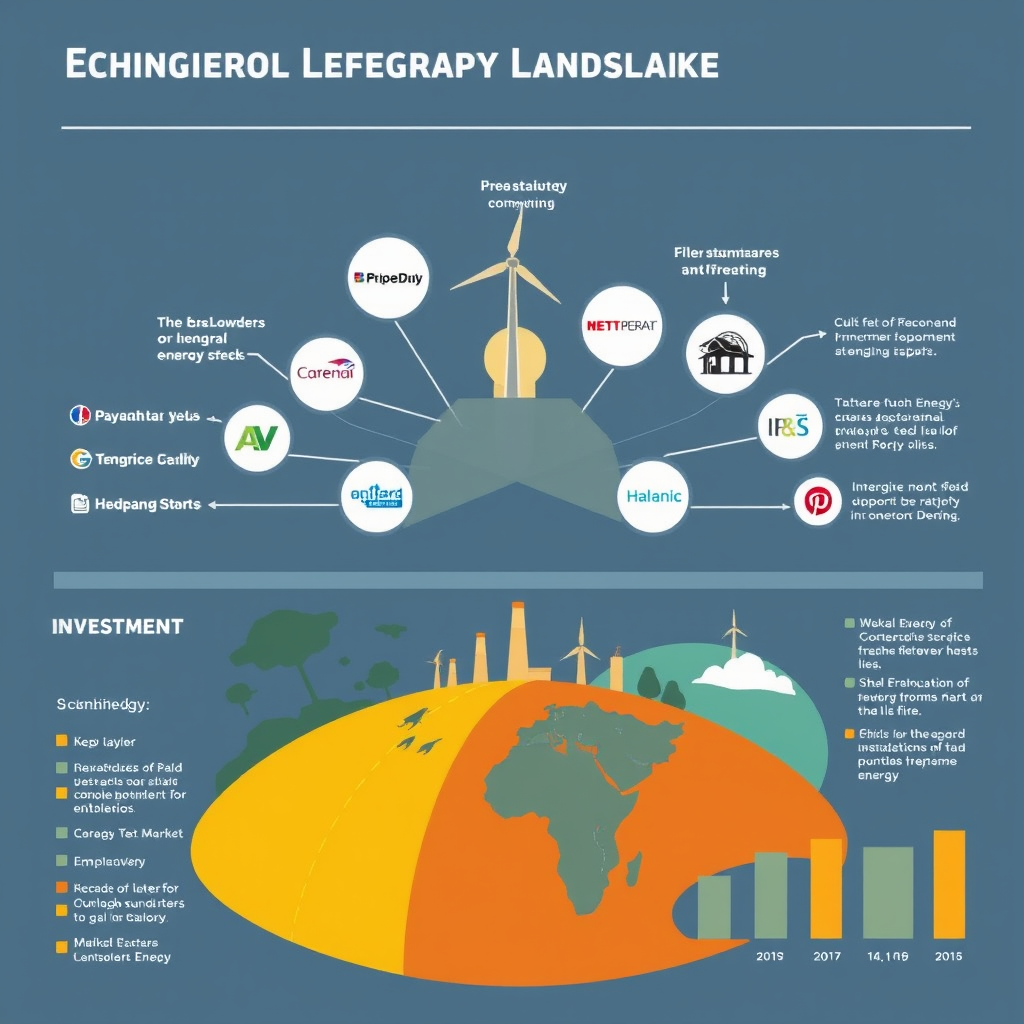
The compact accelerator ecosystem includes both established laser companies and specialized startups. Thales Group (France) and Amplitude Laser supply many of the petawatt-class systems used in LPA research. Coherent Corp. (NASDAQ: COHR) and IPG Photonics (NASDAQ: IPGP) provide enabling laser components. Among startups, TAU Systems (Austin, Texas), founded by Bjorn Manuel Hegelich, raised $15M in 2024 to commercialize laser-driven accelerators for semiconductor inspection and medical imaging. Marvel Fusion (Munich) is leveraging similar laser-plasma physics for inertial fusion, with over €60M in funding. Pasqal, Focused Energy, and Xcimer are adjacent players in the laser-driven physics space. National laboratories—LBNL (BELLA Center), DESY, RAL, and Shanghai's SIOM—remain dominant in foundational R&D, often partnering with industry through tech-transfer programs.
Investment Trends
Global investment in compact accelerator and laser-plasma technology exceeded $400M in 2025, up roughly 35% from 2024 according to industry trackers. The U.S. Department of Energy committed $18M in 2025 specifically to LaserNetUS, expanding high-power laser user facilities. The EU's EuPRAXIA project, with over €600M committed across the consortium, aims to build the first dedicated user facility based on plasma acceleration by 2028. Defense interest is rising: DARPA's MUSIC program and similar initiatives are funding compact accelerator development for directed energy and radiography applications. Venture funding in fusion-adjacent laser companies hit record levels in 2025, with crossover benefits to LPA technology.
Competitive Dynamics
Competition exists along two axes: geographic (Europe leads in user facilities, U.S. in startup commercialization, China in scale of investment) and application (medical proton therapy versus industrial inspection versus research). Conventional accelerator manufacturers like Varian (Siemens Healthineers) and IBA face long-term disruption risk if LPA-based proton therapy becomes viable, as system footprints could shrink by 10x. Near-term, however, conventional and laser-plasma technologies are complementary.
Market Projections
The global particle accelerator market was approximately $7.8B in 2024 and is projected to reach $12-14B by 2030 (CAGR ~7%). Compact and laser-driven accelerators represent a small but rapidly growing slice—analysts estimate this segment could reach $1-2B by 2030, with proton therapy alone exceeding $1.5B annually if compact systems achieve clinical adoption. Adjacent markets including semiconductor metrology (EUV-related) and security imaging add further upside.
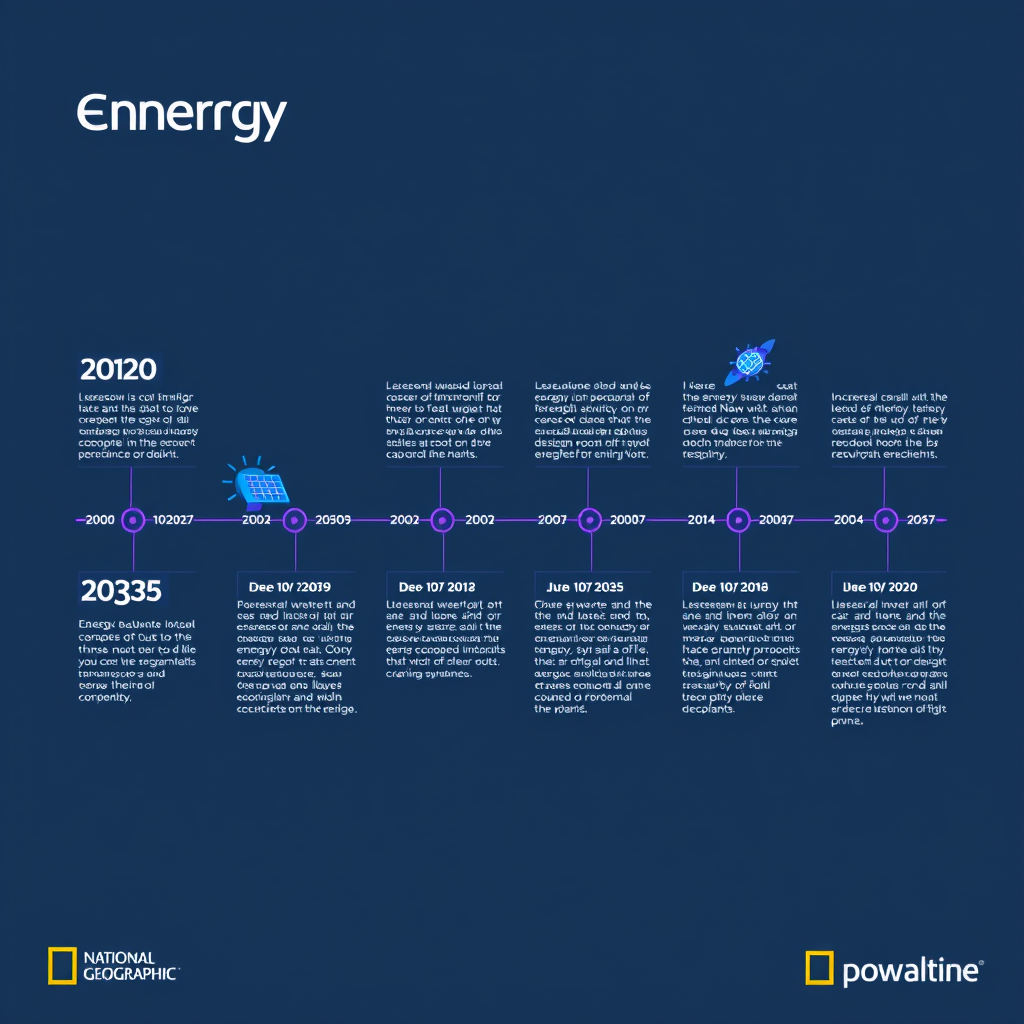
📅 Timeline & Milestones
2026 Expectations
Expect follow-up Helium-3 polarization experiments at higher energies, first demonstrations of polarized deuteron acceleration, and commercial pilots of tabletop proton sources for industrial radiography. EuPRAXIA construction milestones expected mid-year. Several startups, including TAU Systems, are likely to announce Series B funding rounds.
2027-2030 Outlook
First clinical trials of LPA-based proton therapy systems likely begin around 2028-2029, pending regulatory pathways. EuPRAXIA user operations should commence by 2028. Polarized ion beams from LPA may be integrated into existing nuclear physics programs at Jefferson Lab and FAIR. kHz-rate laser systems should mature, enabling industrial throughput. Hybrid staged accelerators may demonstrate 10+ GeV electron beams suitable for free-electron laser drivers.
Beyond 2030
Long-term, LPA could enable compact lepton colliders, dramatically reducing the cost of frontier particle physics. Hospital-scale proton/ion therapy centers could become widespread. Polarized beam capability may enable new fusion approaches—spin-polarized D-He3 fusion is theoretically more efficient. By 2035-2040, we may see the first multi-TeV laser-plasma collider concepts moving from design to prototype, though full deployment likely extends past 2040.
💰 Investment Perspective
Opportunities
Public-market exposure is currently indirect, primarily through laser component suppliers. Coherent Corp. (COHR) and IPG Photonics (IPGP) benefit from rising demand for ultrafast and high-power lasers. Siemens Healthineers (SHL.DE), parent of Varian, is hedged—threatened by disruption but positioned to acquire or integrate compact technologies. Hamamatsu Photonics (TYO: 6965) supplies critical detectors. For risk-tolerant investors, private placements in TAU Systems, Marvel Fusion, and similar startups offer pure-play exposure but require accredited-investor access.
Risk Factors
Key risks include long commercialization timelines (5-10+ years for medical applications), regulatory uncertainty for novel medical devices, technical risk in achieving required beam stability, and competition from incremental improvements in conventional accelerator technology. Reliance on government funding makes the sector vulnerable to budget cycles. Laser system costs and reliability remain unproven at industrial scales.
Recommendations
Conservative investors should consider photonics ETFs like ARK Autonomous Technology & Robotics ETF (ARKQ) or the Global X Robotics & AI ETF (BOTZ) for diffuse exposure. Direct picks: COHR and IPGP for laser supply chain, SHL.DE for medical accelerator integration. Aggressive investors should monitor Marvel Fusion and TAU Systems for late-stage private rounds or potential SPAC/IPO activity in 2027-2028. Watch DOE and EU funding announcements as leading indicators of sector momentum.
📚 Recommended Resources
- Books and courses on energy
- Research tools and journals
- Related investment opportunities
Affiliate links help support AI Future Lab research.
💡 Key Takeaways
- April 2026 demonstration confirms laser-plasma accelerators can preserve Helium-3 nuclear spin polarization above 80%, enabling compact polarized ion beam sources for the first time.
- LPA technology is transitioning from physics demonstrations to engineering applications, with medical proton therapy and industrial imaging as likely first commercial markets.
- Investment in the sector grew ~35% in 2025 to over $400M, with EuPRAXIA (€600M+) and DOE LaserNetUS as major public commitments.
- Key technical challenges remain in repetition rate (need kHz vs. current 1-10 Hz), beam stability, and multi-stage acceleration coupling.
- Public-market exposure is primarily through laser suppliers (COHR, IPGP) and medical accelerator incumbents (Siemens Healthineers); pure-play opportunities exist in private startups.
- Clinical trials of compact proton therapy systems likely start 2028-2029; widespread deployment is a 2030+ proposition.
- Polarized D-He3 fusion and compact lepton colliders are speculative but high-impact long-term applications worth monitoring.
📖 Sources & References
🤖 AI Research System
Research & Analysis: Claude Opus 4.7
Infographics: Flux.1-schnell (로컬)
Published: May 03, 2026
Word Count: ~2,500-3,000 words
Next Deep Dive: Next Sunday
![[Deep Dive] Scale-free localization in pseudo-Hermitian quantum walk](/content/images/size/w600/2026/10/deep_dive_thumb-9.png)